
Dorm Bedding Essentials: What College Students Really Need for a Comfortable Room

Moving into a college dorm is exciting, but it also means learning how to make a very small space work for sleeping, studying, relaxing, and everyday life. Bedding becomes part of all of those routines, so it deserves a little more thought than simply choosing a matching set.
The best college dorm bedding should fit the bed correctly, hold up to regular washing, feel comfortable through different seasons, and take up as little unnecessary storage space as possible. A few practical pieces can make a dorm room feel much more livable without overpacking.
Start With the Right Size: Twin XL Bedding
Before buying anything, check the mattress dimensions provided by your university.
Many US residence halls use Twin XL mattresses, which are typically about 38 inches wide and 80 inches long. A standard Twin mattress is usually about five inches shorter, so regular Twin fitted sheets may not stay securely on a Twin XL bed.
That extra length becomes even more important if you plan to add a mattress topper. Once a few inches of height are added, poorly fitted sheets can pull away from the corners during the night.
For this reason, confirming the bed size through your school’s housing page should come before choosing colors or patterns. Properly fitted Twin XL bedding makes the rest of the setup much easier.
Comfortable Sheets Need to Survive College Life
Dorm sheets have a tougher job than they do at home. They may be washed in shared laundry rooms, left in the dryer longer than expected, or changed quickly between classes and weekend plans.
That makes easy care especially important.
A soft fitted sheet can also improve the feel of a basic dorm mattress, particularly if the mattress feels firmer than what you are used to at home. The fit should be secure enough to stay in place, while the fabric should remain comfortable after repeated washing.
Most students do not need a large collection of Twin XL sheets. Two sets are generally practical: one on the bed and one ready to replace it. In a room where closet and under-bed space disappear quickly, extra sets often become clutter rather than something useful.
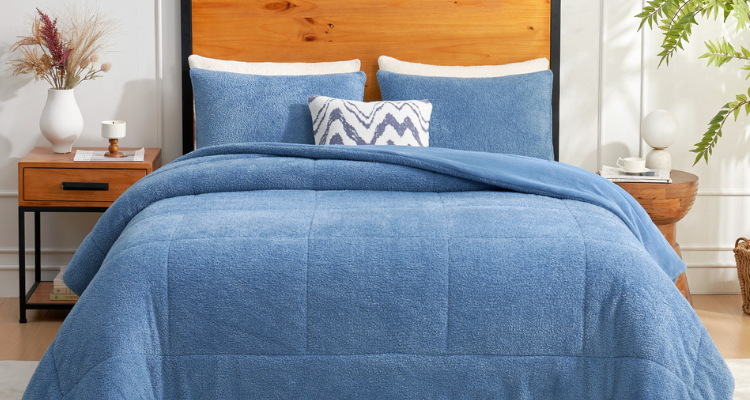
Choose a Comforter That Can Adapt Through the Semester
Dorm temperatures are not always predictable. A room may feel warm during move-in week, chilly once fall arrives, and unexpectedly hot again when building heat turns on.
A bulky winter comforter can become inconvenient if it feels too warm for half the school year or takes up most of a laundry machine. A lighter comforter is often easier to manage because warmth can be adjusted with an additional blanket when needed.
For students who naturally sleep warm, a cooling comforter can make the bed feel less heavy and more comfortable, especially in rooms where the thermostat is shared or cannot be adjusted individually.
A duvet cover can also make dorm maintenance easier. The removable outer layer protects the comforter and can usually be washed more frequently than the insert itself. It also gives students an easy way to refresh their dorm room without replacing the entire bedding setup.
A Blanket Usually Becomes More Useful Than Expected
A blanket may look like a simple extra when packing, but it often ends up being one of the most frequently used dorm items.
A soft knit blanket or throw can stay at the foot of the bed for colder nights, move to a desk chair during a long study session, or go with you to a chilly lounge or common room. It can also make the bed feel more comfortable when you are reading or watching something without getting fully under the comforter.
Because dorm rooms have limited storage, a blanket that folds easily and can handle regular washing is much more practical than an oversized decorative piece that rarely gets used.
Sleepwear Matters More in a Dorm Than It Does at Home

Pajamas are easy to forget when planning dorm essentials because they do not technically belong to the bedding category. In real dorm life, though, sleepwear often becomes part of the everyday uniform.
Students may wear pajamas while studying in their room, walking down the hall to do laundry, getting a late-night snack, or hanging out with roommates. That means comfort and freedom of movement matter just as much as how the sleepwear feels in bed.
Lightweight pajamas can be useful during warm move-in months or in overheated residence halls, while longer sets work well once temperatures drop. A relaxed fit also makes it easier to move between sleeping and normal dorm activities without immediately needing to change clothes.
For students living with roommates, pajamas that feel comfortable but still offer enough coverage for shared spaces can be especially practical.
Make the Bed Work for Studying Too
In a small dorm, the bed often doubles as seating.
Students read, answer emails, use laptops, call family, and sometimes eat snacks while sitting against the wall or headboard. A normal sleeping pillow tends to collapse quickly in that position, which is why a backrest pillow can be genuinely useful rather than purely decorative.
It provides more structure when sitting upright and can turn the bed into a temporary reading or study area without requiring another chair.
This kind of multifunctional item makes sense in a dorm because it earns the space it takes up.
Small Details Can Make Daily Life Easier
A mattress protector is less exciting than a new comforter, but it is one of the most practical items to bring. Dorm mattresses are reused year after year, and a washable protector creates a cleaner layer between the mattress and your sheets.
Extra pillowcases are useful for a similar reason. Changing a pillowcase takes very little effort and can make the bed feel fresher even when there is no time to wash a full sheet set.
The goal is not to fill the room with accessories. It is to choose a few things that make cleaning, studying, sleeping, and relaxing easier throughout the semester.
Keep Your Dorm Setup Simple

It is surprisingly easy to overpack for college, especially when dorm shopping begins months before move-in.
In practice, most students can build a comfortable bed around a few core pieces: properly sized Twin XL sheets, a comforter, a washable duvet cover, a blanket, pillowcases, and a mattress protector. A backrest pillow and comfortable pajamas can make the space more functional without adding much clutter.
That combination covers sleeping, studying, seasonal temperature changes, and everyday dorm routines without turning a small room into a storage problem.
The best dorm bedding essentials are the pieces you will actually use week after week, not the items that only look good on move-in day.
FAQs
What size bedding do most college dorms use?
Many U.S. college dorms use Twin XL mattresses, but sizes can vary. Check your university housing information before buying sheets or other fitted bedding.
How many sets of Twin XL sheets should a student bring?
Two sets are usually enough for most students. One can stay on the bed while the second is clean and ready to use.
Is a duvet cover useful in a dorm room?
Yes. A duvet cover protects the comforter and gives you an outer layer that is easier to remove and wash regularly.
Is a blanket worth bringing to college?
Yes. A lightweight throw or knit blanket can be used on the bed, while studying, or in common areas, making it one of the more versatile dorm items.
Are pajamas really a dorm essential?
They can be. Dorm pajamas often double as lounge clothes for studying, doing laundry, or relaxing with roommates, so comfortable sleepwear that allows easy movement can be very useful.


Leave a comment
This site is protected by hCaptcha and the hCaptcha Privacy Policy and Terms of Service apply.