
White Bedding in Real Life: How to Keep It Clean

White bedding has a timeless appeal. It reflects light, makes a bedroom feel calmer, and gives sheets, pillows, and blankets a crisp, layered look. It also works with almost any interior style, from minimalist and modern to warm and traditional.
The challenge is not keeping white bedding perfectly spotless. Real beds come into contact with body oils, skincare products, makeup, sweat, food, pets, and everyday dust. The practical goal is to build a routine that prevents stains and dullness from becoming difficult to remove.
With the right washing habits and a few simple styling choices, white sheets and blankets can stay fresh without requiring excessive bleach or complicated maintenance.
Start With Washable Layers

A white bed is easier to maintain when each layer can be cleaned separately.
A practical setup might include:
1. A fitted sheet and flat sheet
2. Washable pillowcases
3. A removable duvet cover
4. A washable blanket or throw
5. A comforter or duvet insert protected by a cover
Sheets and pillowcases have the most direct contact with skin, so they usually need to be washed more often than the duvet insert or decorative blanket. A removable duvet cover also makes it easier to refresh the visible surface without washing a bulky insert every week.
Before buying white bedding, check the care label. Machine-washable materials are generally easier to maintain, especially in homes with children, pets, or frequent guests.
Wash White Sheets Regularly

A regular schedule is more effective than waiting until white bedding looks visibly dirty.
For most households, washing sheets and pillowcases once a week is a practical starting point. Bedding may need more frequent washing during hot weather, after illness, or when pets sleep on the bed. Duvet covers, blankets, and comforters can usually be washed less often, depending on how they are used.
The American Cleaning Institute’s laundry guidance recommends checking fabric-care labels, choosing an appropriate cycle, using the correct amount of detergent, and leaving enough space for laundry to move freely inside the machine. Overloading the washer may prevent water and detergent from circulating evenly.
Always follow the instructions for the specific fabric. Cotton sheets, cooling bedding, faux-fur blankets, and quilted comforters may require different temperatures and drying methods.
Treat Stains Before Washing

The sooner a stain is addressed, the easier it is usually to remove.
Blot spills with a clean cloth rather than rubbing them deeper into the fibers. Apply a fabric-compatible stain treatment and allow it to work for the recommended amount of time before washing.
Common white-bedding stains include:
1. Makeup and skincare products
2. Body oils and sweat
3. Coffee, tea, and wine
4. Food
5. Pet marks
6. Blood
Do not automatically use hot water. Heat can set some protein-based stains, including blood, and may damage certain fibers or finishes. Begin by checking the care label and stain-treatment instructions.
Avoid placing stained bedding in the dryer until the mark is gone. Dryer heat can make a remaining stain more difficult to remove later.
Keep White Bedding From Turning Gray
White bedding often becomes dull because of gradual buildup rather than one major stain.
A few habits can help preserve brightness:
Separate whites from dark colors
Wash white sheets separately from black, red, denim, and other highly saturated fabrics. Even small amounts of transferred dye can make white bedding appear gray or yellow over time.
Use the correct detergent amount.
More detergent does not necessarily mean cleaner bedding. Excess detergent may remain in the fibers, leaving sheets stiff or dull. Too little detergent may not remove oils and soil effectively.
Follow the detergent instructions and adjust to load size, water hardness, and the level of soiling.
Do not overload the washer.
Sheets need room to move. A tightly packed machine may leave areas poorly rinsed or incompletely cleaned.
Large comforters and blankets may require a high-capacity washer. Forcing bulky bedding into a small drum can produce uneven results and place stress on the fabric.
Use bleach carefully
Chlorine bleach is not suitable for every white textile. It may weaken some fibers, affect finishes, or cause yellowing when used incorrectly.
Only use bleach when the care label permits it. Oxygen-based products may be suitable for some washable whites, but they should still be used according to the textile and product instructions.
Dry Bedding Completely
Damp bedding can develop stale odors during storage and may crease more heavily.
Remove sheets promptly after washing and drying them according to the care label. Low or medium heat may help reduce unnecessary stress on fibers, while some blankets and specialty bedding may require air drying.
Before folding a duvet cover, blanket, or comforter, check thicker seams and corners to make sure they are completely dry.
Sunlight can help white bedding look fresh, but prolonged direct exposure may weaken or discolor some materials. Follow the manufacturer’s instructions rather than assuming every white textile should be dried in full sun.
Create a Hotel-Style White Bed
The hotel look comes less from perfect whiteness and more from clean proportions, smooth layers, and restrained styling.
Start with a fitted sheet pulled evenly over the mattress. Shake the duvet insert into the corners of its cover, then smooth the surface rather than creating excessive folds.
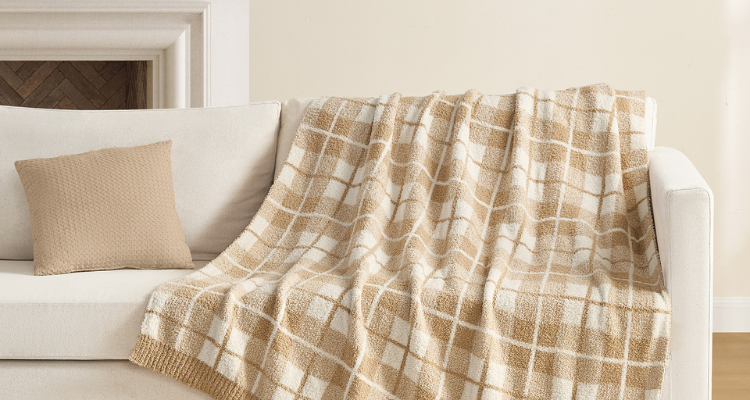
Fold a white or neutral throw blanket across the lower third of the bed. This adds texture and makes the bed feel more complete without introducing visual clutter.
Two sleeping pillows and one or two accent pillows are usually enough. Mixing textures—such as smooth sheets, a lightly quilted comforter, and a soft knit or faux-fur throw—prevents an all-white bed from looking flat.
A white bedroom does not need every item to match exactly. Slight differences in cream, ivory, and bright white can create a softer, more layered result.
Freshness Comes From Routine
White bedding is not necessarily harder to own than colored bedding; it simply makes dirt and discoloration easier to notice.
A manageable routine is more important than aggressive cleaning. Wash skin-contact layers consistently, treat marks early, avoid overloading the machine, and follow the individual care label.
With regular care and simple layering, white bedding can remain bright, comfortable, and polished while still fitting into everyday life.
FAQs
How often should white sheets be washed?
Once a week is a practical schedule for many households. Wash more often during hot weather, after illness, or when pets share the bed.
Can white bedding be washed in hot water?
Only when the care label allows it. Hot water may damage some materials and can set certain stains, so it is not automatically the best choice.
Why does white bedding turn gray?
Common causes include dye transfer, detergent buildup, body oils, overloaded wash loads, and incomplete rinsing.
Should I use bleach on white sheets?
Use bleach only when the care label specifically permits it. Bleach is not suitable for every white fabric and should not be treated as a universal whitening solution.
How can I make an all-white bed look less plain?
Combine different textures rather than adding many colors. A quilted cover, knit throw, faux-fur blanket, or a small number of neutral pillows can create visual depth.


Leave a comment
This site is protected by hCaptcha and the hCaptcha Privacy Policy and Terms of Service apply.